A Crisis That Hits Close to Home
Ohio is once again at the center of America’s opioid crisis — and this time, fentanyl is the driving force. From bustling cities like Columbus and Cleveland to quiet rural towns, nearly every community has been touched by its deadly reach.
According to the Ohio Attorney General’s Office, there were 3,579 fentanyl-related overdose deaths in 2023, accounting for nearly 98% of all opioid fatalities statewide. That means nearly every opioid death in Ohio is tied to fentanyl — a synthetic opioid up to 50 times stronger than heroin and 100 times stronger than morphine.
At Serenity Street Foundation, we see the impact of this crisis every day. Men enter our recovery program after losing jobs, homes, and loved ones to the grip of addiction — many connected to fentanyl without even realizing it. But we also see the other side: men rebuilding their lives, families finding healing, and communities uniting in hope.
This blog is written for those families, friends, and neighbors who want to understand what’s happening — and more importantly, what can be done.
What Makes Fentanyl So Dangerous
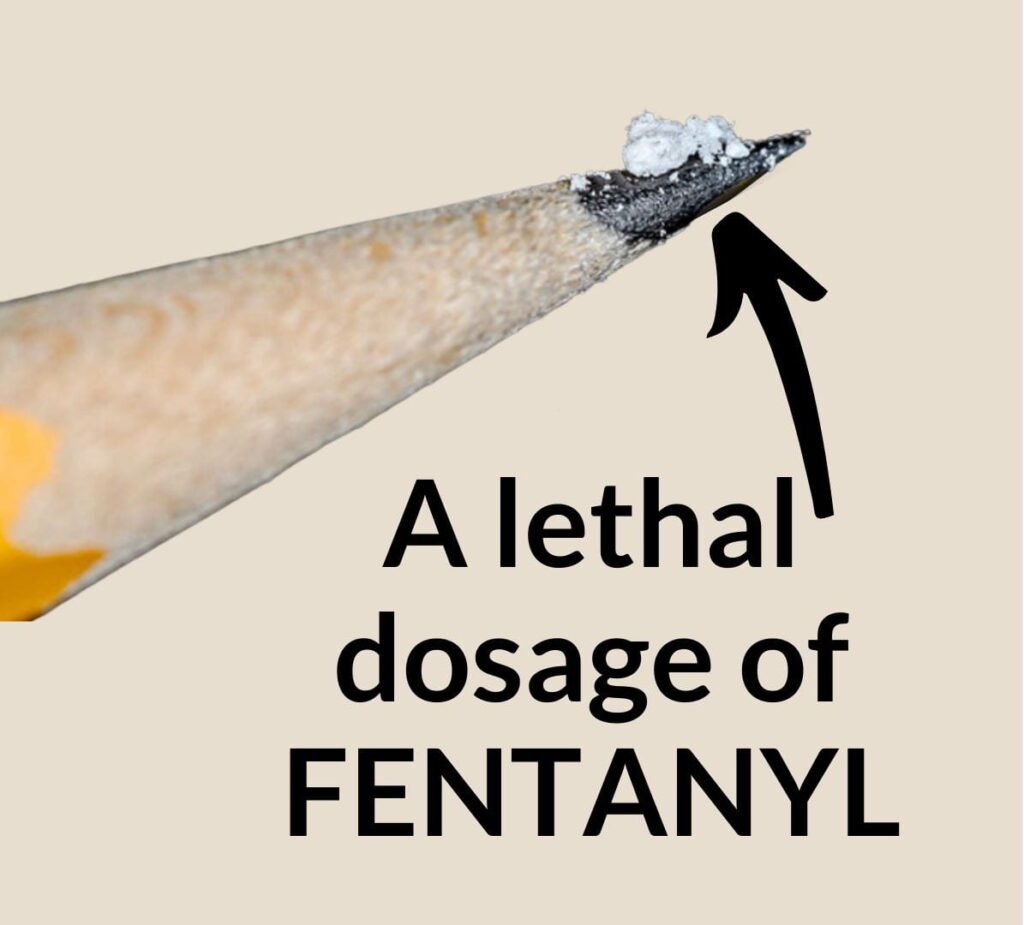
Fentanyl is unlike any drug epidemic Ohio has faced before. Its potency and unpredictability are what make it so deadly. Even a few grains — an amount smaller than a sprinkle of sugar — can stop someone’s breathing within seconds.
What’s even more terrifying is that fentanyl is often mixed into other substances: cocaine, methamphetamine, counterfeit pills, and even marijuana. Many users have no idea they’re ingesting it until it’s too late.
The synthetic versions flooding Ohio’s streets aren’t made in pharmacies — they’re made in illegal labs, often overseas, and smuggled into the state. Once here, it spreads fast through the drug supply chain, putting casual users and chronic users alike at risk.
Urban Centers in Crisis: Cleveland & Columbus
Major Ohio cities continue to see record-high overdose rates:
- Cleveland recorded a staggering 93.2 drug-related deaths per 100,000 residents in 2022 — among the highest in the nation.
- Columbus wasn’t far behind, with 68.5 deaths per 100,000 in the same period.
In both cities, fentanyl is involved in the majority of overdoses, frequently disguised in pills or mixed into drugs without the user’s knowledge.
There’s been some progress — Cuyahoga County saw fewer than 500 overdoses in 2024, thanks in part to wider Narcan access and community outreach. But despite these small victories, the threat remains relentless.
For every statistic, there’s a face — a parent, a child, a friend — and that’s what drives Serenity Street Foundation’s mission to continue fighting for recovery, redemption, and second chances.
Rural Communities Are Suffering Too
It’s not just Ohio’s big cities that are hurting. The CDC reports that rural and urban overdose rates in Ohio are now nearly identical — a stark sign that this crisis knows no boundaries.
Rural counties often face additional barriers:
- Fewer treatment centers and support groups
- Longer wait times for emergency response
- Limited access to Narcan or fentanyl test strips
- Higher stigma and fewer conversations about addiction
These factors make rural overdoses even more deadly. Families in small towns sometimes feel isolated or ashamed to ask for help — but this silence can be deadly. At Serenity Street, we want every Ohioan to know: addiction is not a moral failure. It’s a disease — and recovery is possible.
Recognizing the Signs of Fentanyl Overdose
Education saves lives. Families should learn to recognize the early warning signs of overdose so they can act fast:
- Slow, shallow, or stopped breathing
- Unresponsiveness or unconsciousness
- Gurgling or choking sounds
- Pinpoint pupils
Because fentanyl acts so quickly, every second matters. Administering naloxone (Narcan) can reverse an overdose if used promptly — and often, multiple doses are needed.
If someone you love uses substances, even occasionally, having Narcan on hand can be the difference between life and death.
Harm Reduction in Action: How Ohio Is Fighting Back
Programs like Project DAWN (Deaths Avoided With Naloxone) have expanded across Ohio, offering free naloxone kits, fentanyl test strips, and overdose prevention training.
Grassroots initiatives — including The SOAR Initiative and local health departments — are stepping in to fill gaps in care. They host outreach events, send out “bad batch alerts,” and provide direct support for those at risk.
At Serenity Street Foundation, we support these harm-reduction efforts. Our residents learn about the dangers of fentanyl, how to recognize the signs of overdose, and how toshare what they’ve learned with others. Every bit of education ripples outward — saving lives beyond our doors.
Carfentanil: A New Threat on the Rise
As if fentanyl weren’t deadly enough, carfentanil — an even stronger synthetic opioid — is beginning to reappear in Ohio.
According to the CDC, carfentanil is 100 times more potent than fentanyl and 10,000 times stronger than morphine. Even touching or inhaling trace amounts can be lethal.
First responders now carry protective gear when treating overdoses due to the risk of accidental exposure. It’s a reminder that this epidemic continues to evolve — and that community awareness must evolve with it.
Protecting Families: What You Can Do
Here are some simple but critical steps families can take to protect themselves and their loved ones:
Keep Narcan at home and in your car. You can often get it for free from local health departments or pharmacies.
Learn how to use it. Quick training sessions are available through Project DAWN and local recovery centers.
Talk openly about fentanyl. Educate your children, friends, and loved ones. Conversations save lives.
Use test strips. If someone uses recreationally, fentanyl test strips can detect deadly contamination.
Never use alone. Overdoses are survivable if someone nearby can call for help or administer Narcan.
At Serenity Street Foundation, we believe prevention starts with knowledge. Breaking the stigma around addiction begins at the dinner table — with honest, compassionate conversation.
Hope and Healing in the Midst of Crisis
Despite the grim statistics, hope is growing. Ohio saw a 12% decline in fentanyl-related deaths between 2022 and 2023, marking the first drop in years. Increased access to Narcan, community partnerships, and growing recovery programs are making a measurable difference.
Every life saved matters — and every person who steps into recovery is proof that change is possible.
At Serenity Street Foundation, we see these victories firsthand. Our sober living program provides men in recovery with:
- A safe, structured, drug-free home
- Accountability and community support
- Guidance toward employment and independence
- Connection to faith and purpose
We don’t just help men get sober — we help them rebuild their lives. And that’s what Ohio needs most right now: people who care enough to stand up, speak out, and offer hope.
Together, We Can Change the Story
The fentanyl epidemic is a shared crisis — but it’s also a shared opportunity. Every family, neighbor, and organization can play a part in saving lives.
Whether you:
- Carry Narcan,
- Volunteer with local recovery efforts, or
- Support sober living programs like Serenity Street Foundation —
you are part of the solution.
Addiction doesn’t discriminate, but neither does hope. Ohio’s future depends on our willingness to fight for it — one recovery, one life, one family at a time.
Get Help. Get Hope.
If you or someone you know is struggling with addiction, don’t wait. Help is available right now.
Serenity Street Foundation
32 E. Woodrow Avenue, Columbus, OH 43207
(614) 738-0463
Together, we can break the cycle of addiction and build a stronger, healthier Ohio.